
The complete guide to planning your first picnic or scenic day trip — choosing a spot, deciding what to bring, and building a relaxed outdoor experience without overthinking it.
Key Takeaways
- The ideal picnic length for most beginners is 1–3 hours — long enough to actually relax, short enough that nobody’s watching the clock
- You don’t need perfect weather: overcast days often make for better picnics than blazing sun — softer light, cooler air, fewer crowds
- For a solo or two-person outing, planning the day before is enough; for group picnics, give everyone about a week to coordinate
- The most overlooked picnic planning detail isn’t the food — it’s arriving early enough to claim a good spot before the best areas fill up
- Picnicking and day trips are the lowest-commitment way to start enjoying the outdoors — no gear investment, no fitness requirement, no experience necessary
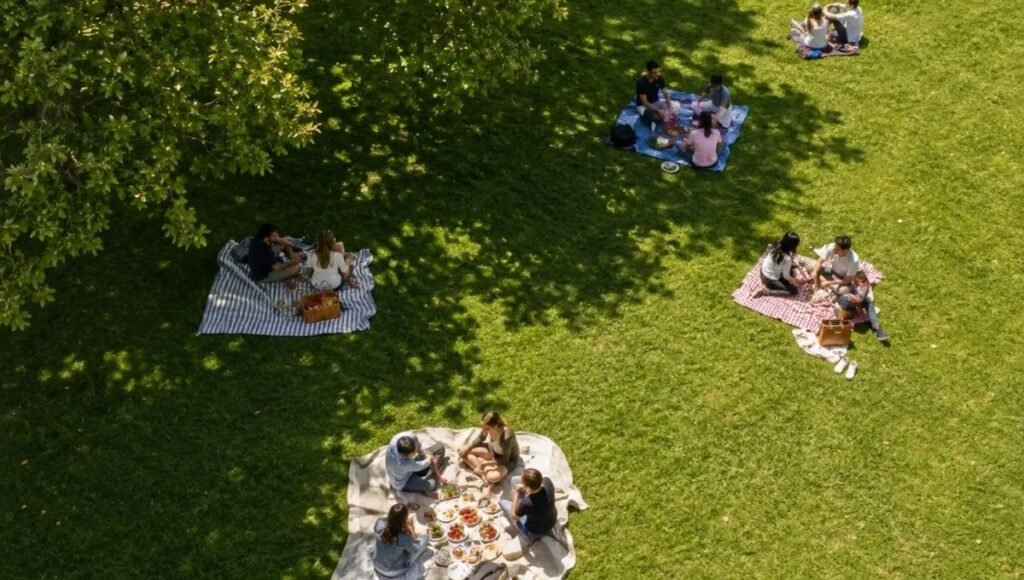
There’s a particular kind of appeal to picnicking and day trips that hiking and camping don’t quite have: almost zero barrier to entry. You don’t need boots, a tent, or any prior outdoor experience. You need a blanket, some food, a nice spot, and a few hours. And yet, despite how simple it sounds, a surprising number of first-timers overthink it into something more complicated than it needs to be.
This guide exists to simplify that. Whether you’re planning your first solo picnic in a local park, organizing a group outing with friends, or putting together a scenic day trip that doesn’t require any hiking gear, everything here is designed to get you from “I should do this sometime” to actually doing it — without the planning process becoming its own obstacle.
We’ll cover how to choose a spot, how long to plan for, what the weather actually means for your plans, how to handle groups versus solo outings, and how this all connects to the more specific guides on TrailNexo for food, gear, and blankets.
What Counts as “Picnicking and Day Trips”? (And Why Start Here)
This category covers the lowest-commitment outdoor activities — the ones that don’t require hiking experience, camping gear, or any particular fitness level. If hiking and camping feel like a bigger step than you’re ready for, picnicking and day trips are the natural starting point.
What fits in this category:
- A picnic in a local park
- A scenic drive with a stop for an outdoor meal
- A day trip to a nearby lake, beach, or garden
- A short, easy walk combined with an outdoor lunch
- A sunset picnic or outdoor evening hangout
Why this is the right starting point for many beginners: There’s no gear investment required, no physical preparation needed, and the time commitment is flexible — anywhere from 45 minutes to a full day. It’s also genuinely good practice for building outdoor comfort before tackling hiking or camping: you get used to planning around weather, packing food that travels well, and simply being outside without a specific destination or challenge in mind.
How Long Should a Picnic or Day Trip Be?
This is one of the most common beginner questions, and the honest answer is: long enough to relax, short enough that it doesn’t become a project.
For most picnics: 1–3 hours is the sweet spot. This gives you enough time to arrive, set up, eat without rushing, and sit in the space afterward without anyone watching the clock. A picnic that’s planned for 45 minutes can still feel complete if the setting is good and you’re genuinely present — duration matters less than the quality of the time.
For day trips: Plan for the actual driving time plus 2–4 hours at the destination. A day trip that requires more than an hour of driving each way starts to feel like a different kind of commitment — still worthwhile, but worth being intentional about rather than squeezing into a single afternoon if you can avoid it.
The practical scheduling rule: Mid-morning or late afternoon picnics tend to have the best weather conditions and avoid both the strongest midday sun and the crowds that build up around lunchtime at popular spots.
How to Choose a Picnic Spot: What Actually Matters
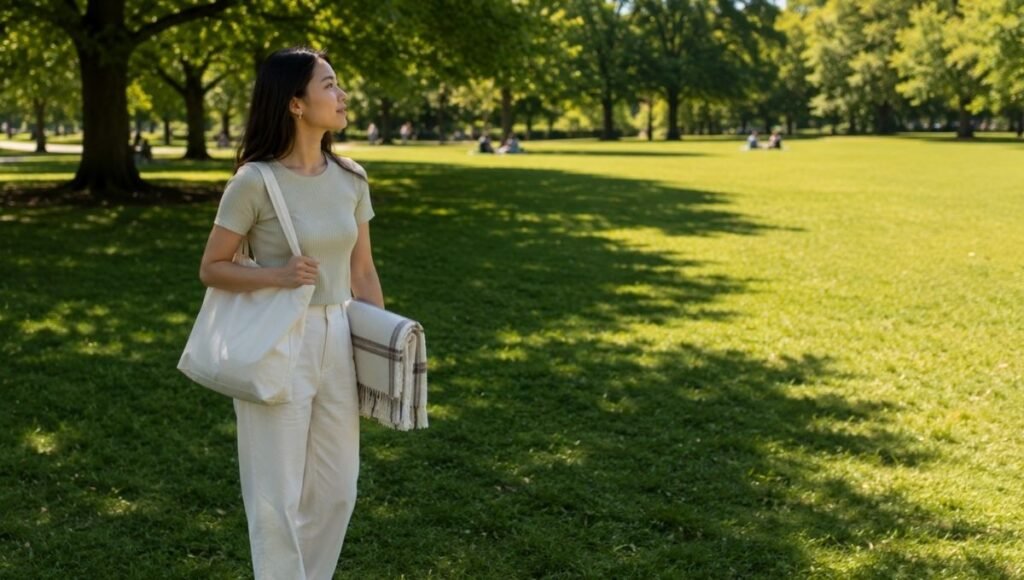
Choosing where to go is genuinely half the planning process — get this right and everything else falls into place more easily.
What to look for in a picnic location:
A mix of sun and shade. Full sun gets uncomfortable after an hour, especially in summer. Full shade can feel cold if the weather is mild. A spot with both options lets you adjust as conditions change throughout your visit.
Reasonably level, dry ground. This sounds obvious until you’re standing on a slope trying to keep food from sliding off a blanket. Scout the immediate area before committing to a specific patch of grass.
Proximity to facilities. For first-time picnickers especially, having restrooms within reasonable walking distance removes one layer of planning anxiety. Most developed parks have this; more remote or scenic spots may not.
Enough space for your group. A small blanket in a crowded section of a popular park on a Saturday afternoon is a different experience than the same blanket in a quieter corner. If you’re picnicking with a larger group, look for open lawn areas rather than smaller, more enclosed spots.
Something worth looking at. This is the difference between “we ate lunch outside” and “we had a picnic.” Water (a lake, river, or pond), a garden, an interesting view, or simply well-maintained natural surroundings all add to the experience without adding to the planning effort.
Where to actually find these spots: Local parks and botanical gardens are the easiest starting point — they’re designed for exactly this kind of outing. State parks and nature reserves offer more scenic variety, often with the trade-off of slightly more driving time. For something with water, lakeside areas and riverside parks add an extra dimension that flat open lawns don’t have.
Editor’s note: Scout your location once before committing to it for a planned group event, if you can. A quick visit (even just driving by) tells you more about parking, crowd levels, and the actual feel of the space than any online description.
Does the Weather Need to Be Perfect?
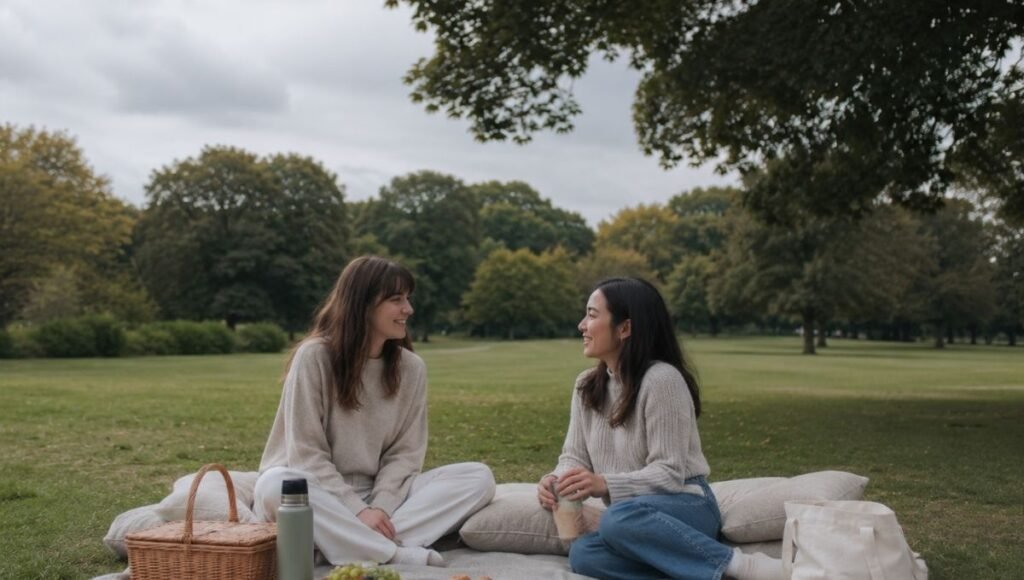
Short answer: no, and beginners often overestimate how much weather matters.
Overcast days frequently make for better picnics than full sun — softer light, more comfortable temperatures, and noticeably fewer crowds at popular spots, since many people assume a picnic requires bright sunshine and stay home on cloudy days.
Light rain, if you have access to a covered area or a sturdy umbrella, can even be one of the more memorable picnic experiences rather than a ruined one. The threshold for genuinely calling off a picnic is more specific than “imperfect weather”:
When to actually reschedule:
- Thunderstorms or any lightning risk
- Strong sustained wind that would make a blanket and food setup impossible
- Extreme heat without any access to shade
- Heavy, sustained rain with no shelter option
The practical approach: Check the forecast the day before and the morning of. If conditions fall short of the “reschedule” threshold above, go anyway — the slightly imperfect day often turns into the better story. If you’re planning a group event further in advance, having a loose backup date in mind removes the pressure of last-minute weather decisions.
Picnic and Day Trip Ideas by Group Size
Solo Picnics

A solo picnic is one of the most underrated low-key outdoor activities available, and it requires almost no planning. Pick a beautiful spot, pack something simple to eat, bring a book or simply sit and observe. There’s no coordination required, no group preferences to manage, and the bar for “successful outing” is refreshingly low.
What makes a solo picnic work well: A spot you find genuinely calming rather than impressive, food you actually want (not food chosen to please a group), and enough unstructured time that you’re not checking your phone every ten minutes.
Picnics for Two
This is the most flexible category — appropriate for a casual hangout, a date, or simply spending unhurried time with a partner or friend. The planning bar is low: a blanket, food for two, and a spot with some visual appeal.
For a date-specific picnic, slightly more intentional touches matter more: a more thoughtful food spread, perhaps timed around sunset, with attention to comfort (a proper blanket, maybe a cushion) since you’ll likely be sitting for longer than a casual outing.
Group Picnics
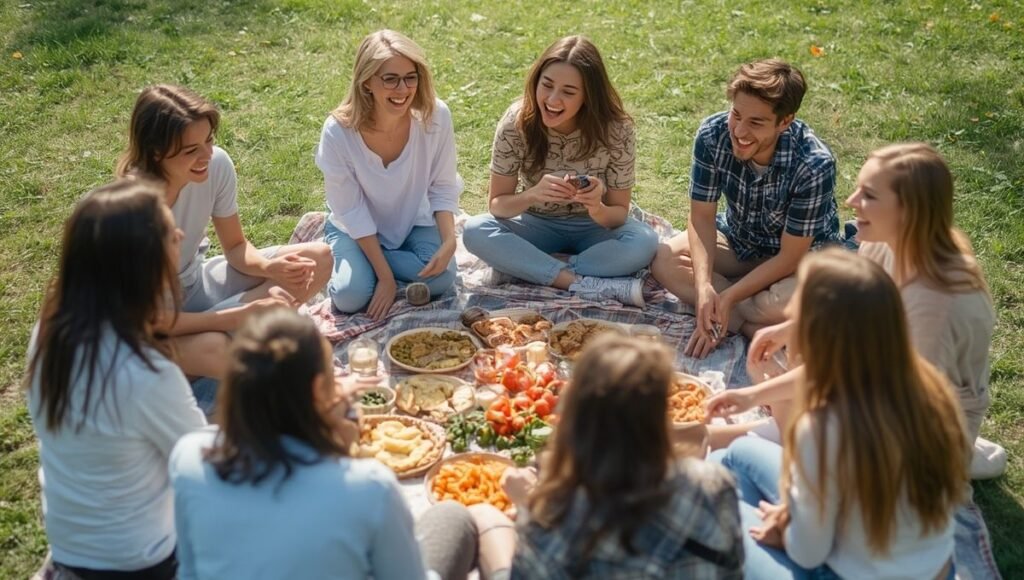
Group picnics require more upfront coordination but distribute the actual workload. The most efficient approach is potluck-style — everyone brings a component (one person handles the blanket and seating, another brings mains, another brings drinks and snacks) rather than one person trying to plan and pack for everyone.
Logistics that matter more with groups:
- A clear, shareable location (drop a pin, describe a landmark — “the big oak tree near the south entrance” works better than a vague park name)
- Confirmed headcount a day or two in advance so food quantities make sense
- A larger blanket or multiple blankets, since space needs scale faster than people expect
Family Picnics with Kids
The same core planning applies, with two adjustments: pack easy-to-grab food rather than anything requiring assembly, and bring something for kids to do beyond eating — a frisbee, a ball, or a simple nature scavenger hunt works better than anything requiring setup or rules. Parks with a nearby playground solve the “what do the kids do after lunch” question without any additional planning.
Combining a Hike with a Picnic: The Best of Both
For beginners who want something slightly more active than a standard picnic but aren’t ready for a full hiking trip, a short hike combined with a picnic destination is an excellent middle ground.
How this works in practice: Choose a short, easy trail (1–3 miles, minimal elevation gain) that leads to a scenic overlook, a lake, or another worthwhile destination. Pack a picnic-style lunch rather than trail snacks, and treat the destination as the actual event rather than just a turnaround point.
This approach removes much of the intimidation factor of “real” hiking — there’s a clear reward at the end, the distance is manageable, and you’re not trying to cover serious mileage. It’s also genuinely good practice for building comfort with trail navigation and basic outdoor movement before attempting longer hikes.
For trail selection guidance and what to expect from your first hike, see our complete Hiking for Beginners guide.
How to Plan a Picnic: The Practical Timeline
For a solo or two-person picnic: The day before is genuinely enough lead time. Pick your spot, plan a simple menu, and the actual preparation — packing the bag, putting together food — rarely takes more than an hour.
For a group picnic: Give people about a week to coordinate, especially if you’re doing a potluck-style food split. This allows time for people to check their schedules and decide what they’re bringing without last-minute scrambling.
The week-before-to-day-of breakdown:
A few days ahead: Confirm your location, check whether the spot requires reservations or permits (some parks do for larger groups), and finalize your guest list if it’s a group event.
The day before: Check the weather forecast, plan your food (see our complete picnic food ideas guide for inspiration), and gather non-perishable items so the day-of prep is faster.
The morning of: Pack perishable food last, do a final weather check, and aim to leave with enough buffer time that arriving and finding parking doesn’t eat into your actual picnic time.
What to Pack: The Quick Reference
This is covered in complete detail in our picnic essentials checklist, but the short version for planning purposes:
Always bring:
- A waterproof blanket or seating
- Food and water (more than you think you need — outdoor air increases appetite)
- A cooler bag if anything needs to stay cold
- Trash bags
- Sunscreen
Bring depending on the outing:
- A frisbee, ball, or cards for active groups
- A book or journal for solo or quiet outings
- A bottle opener and corkscrew if drinks require one (commonly forgotten)
- Bug spray for evening or near-water locations
- An extra layer for later in the day
For the complete breakdown with quantities, material recommendations, and the items beginners most commonly forget, see the full picnic essentials guide.
What If You Forget Something?
You will, at some point, forget something. This is normal and rarely ruins anything. The bottle opener is the most commonly forgotten picnic item across virtually every picnic guide and personal account — it’s worth a final mental check before you leave.
Most forgettable items can be worked around: Food can be eaten without serving implements. Drinks can sometimes be opened with resourcefulness (or simply saved for later). A picnic missing one planned element is still a picnic.
The things actually worth a final check: Any required medication, and a way to keep perishable food cold if your menu includes anything that needs it. These are the two categories where “we’ll figure it out” doesn’t really work.
Picnic and Day Trip Etiquette
A few considerations that make the outing better for you and for everyone else sharing the space:
Pack out everything you bring in, including food scraps. Leave your spot at least as clean as you found it.
Respect park rules and posted regulations — some parks require permits for larger gatherings or restrict alcohol, grilling, or amplified music. A quick check of the specific park’s website before a planned group event avoids surprises.
Keep noise and music at a considerate volume, especially in shared park spaces where other groups are also trying to enjoy a quiet afternoon.
If you’re near wildlife (ducks, geese, or other animals common in park settings), don’t feed them — it’s generally against park policy and isn’t good for the animals regardless of local rules.
FAQ: Real Questions About Picnicking and Day Trips
Q: How far in advance should I plan a picnic? For a solo or two-person outing, the day before is sufficient — sometimes even the morning of. For a group picnic where people need to coordinate what they’re bringing, give everyone about a week. The actual packing and food prep rarely takes more than an hour regardless of group size.
Q: What’s the best time of day for a picnic? Mid-morning or late afternoon typically offer the best combination of comfortable temperatures and manageable crowds. Midday in summer can be uncomfortably hot at exposed spots; evening picnics near sunset are popular for their atmosphere but require planning around fading light if you’re staying past dusk.
Q: Do I need to make a reservation for a picnic spot? Most casual picnic spots in public parks don’t require reservations for small groups. Larger gatherings (10+ people) or picnics at popular spots during peak season sometimes do — check the specific park’s website if you’re planning anything beyond a casual outing.
Q: What should I do if it’s windy? Choose a spot with some natural wind protection (trees, a slight rise in terrain) if possible. Use a heavier blanket or one with corner anchors, weigh down loose items like napkins with small rocks or dedicated napkin weights, and consider serving food from containers rather than flat open plates.
Q: Can I have a picnic without a car? Yes — this is one of the genuine advantages of picnicking as a low-commitment outdoor activity. A local park accessible by walking, biking, or public transit removes the need for a vehicle entirely, which also simplifies what you can realistically carry and pack.
Start Simple
Picnicking and day trips don’t reward overplanning. The most memorable outdoor afternoons usually come from a decent spot, food that travels well, and people you want to spend time with — not from elaborate logistics or perfect conditions.
Pick a park you haven’t been to. Check the weather. Pack a blanket and something simple to eat. The rest tends to take care of itself.
Explore the Full Picnicking & Day Trips Collection
- Picnic Essentials Checklist: Everything You Need
- Picnic Food Ideas: 40+ Easy Options That Travel Well
- Best Picnic Blankets: Honest Picks for Every Budget and Situation
Continue Exploring TrailNexo
- Hiking for Beginners: The Complete Guide
- Camping for Beginners: The Complete Guide
- Outdoor Safety for Beginners
- The Complete Beginner’s Guide to Outdoor Gear
References
- National Recreation and Park Association. Park Usage Guidelines and Permit Requirements. nrpa.org
- USDA Food Safety and Inspection Service. The Danger Zone — Keeping Food Safe Outdoors. fsis.usda.gov
- Leave No Trace Center for Outdoor Ethics. The 7 Principles — Day Use Areas. lnt.org
- National Park Service. Day Trip and Picnic Area Guidelines. nps.gov