
The honest, practical guide to starting hiking — with real advice on choosing your first trail, packing smart, staying safe, and actually enjoying it.
Key Takeaways
- For your very first hike, aim for 3–5 miles total with less than 500 feet of elevation gain — long enough to feel real, short enough to stay enjoyable
- The #1 beginner mistake isn’t bad gear — it’s choosing a trail that’s too hard for a first outing
- You don’t need to be fit to start hiking; hiking is how you get fit
- According to the American Hiking Society, over 57 million Americans hike each year — and most of them started exactly where you are right now
- A solid beginner kit costs less than $100 if you already own athletic shoes and a basic backpack

Maybe it started with a photo. A friend’s Instagram post from some gorgeous ridge at golden hour, or a coworker mentioning they spent the weekend on a trail you’d never heard of. Or maybe you’ve just been feeling the pull — that vague but persistent feeling that you need to get outside and do something with your body that isn’t another gym circuit or another walk around the block.
Whatever brought you here, welcome. Hiking for beginners doesn’t have to be complicated or intimidating, and it definitely doesn’t require you to be some kind of outdoor expert first. The trail doesn’t ask for your credentials. It just asks you to show up.
That said, there’s a difference between showing up prepared and showing up anxious — wondering if you packed the wrong thing, chose the wrong trail, wore the wrong shoes. This guide exists to close that gap. By the time you finish reading, you’ll know exactly what to do before, during, and after your first hike. No fluff, no gear-pushing, no assumption that you already know what “elevation gain” means.
Let’s start at the beginning.
What Actually Is Hiking? (And What It Isn’t)
Here’s something nobody says out loud enough: hiking is just walking. Walking in nature, on surfaces that aren’t sidewalks or pavement. That’s it.
It can be short or long, flat or hilly, through forests or along coastlines or up into actual mountains. There are no rules about pace or distance or what you’re allowed to call a “real” hike. A 45-minute walk through a local nature preserve counts. So does a 6-hour summit push.
For the purpose of this guide, we’re focusing on day hiking — any hike you can complete in a single day, without needing to camp overnight. This is the most accessible form of hiking and the perfect starting point for anyone just getting into it.
Common beginner misconceptions worth busting early:
- “I need to be in great shape to start hiking.” You don’t. Hiking is how many people get into shape. Start easy and build gradually.
- “Hiking requires expensive gear.” It really doesn’t — at least not at the beginning. We’ll break this down below.
- “It’s only worth doing if you go somewhere dramatic.” Some of the best beginner hikes are local, low-key, and completely underrated.
How to Know If You’re Ready to Start Hiking (You Are)
The short answer is: if you can walk for 30–45 minutes without stopping, you’re physically ready to try an easy beginner hike. That’s a genuinely low bar, and it’s intentional — because hiking is one of the most scalable forms of outdoor exercise there is.
The longer answer involves knowing your honest starting point. Ask yourself:
- Can you walk at a moderate pace for 45–60 minutes comfortably?
- Do you have any joint, heart, or respiratory conditions that get aggravated by sustained walking?
- Are you okay with slightly uneven ground (roots, rocks, gentle inclines)?
If you answered yes/no/yes, you’re ready. If you have a health condition that affects your physical activity, check with your doctor first — this isn’t a formality, it’s just smart, and most conditions don’t rule out hiking entirely, they just shape which trails are right for you.
Research published in the British Journal of Sports Medicine has found that walking in natural environments — what researchers call “green exercise” — produces measurably greater mental health benefits than equivalent exercise in urban settings. So even purely from a wellness standpoint, getting on a trail is worth the effort.
How to Choose Your First Hiking Trail (The Right Way)
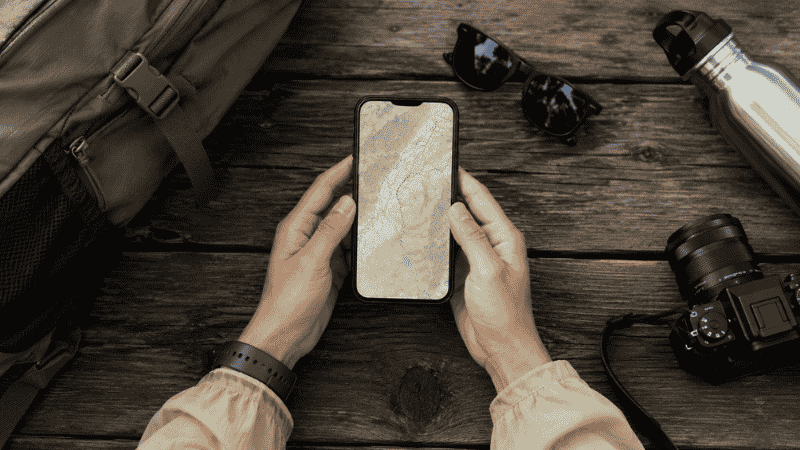
This is where most beginners either get it right or set themselves up for a miserable first experience. Choosing a trail that’s too hard is the single most common mistake new hikers make — and it’s entirely avoidable.
The beginner trail formula:
For your first hike, look for these numbers:
- Total distance: 3–5 miles round trip
- Elevation gain: Under 500 feet
- Trail type: Out-and-back or loop (avoid point-to-point on your first outing)
- Trail condition: Well-maintained, clearly marked
These aren’t arbitrary numbers. A 5-mile hike with minimal elevation will take most beginners 2–2.5 hours at a comfortable pace, which is long enough to feel like a genuine adventure and short enough that a slower-than-expected pace won’t leave you out after dark.
How to find trails near you:
The most beginner-friendly tool is AllTrails — it’s free, it has trail ratings, reviews, photos, difficulty levels, and offline map capability. Filter by “Easy” difficulty and look for trails with recent reviews (this tells you the trail is active and conditions are current).
A few things to check before committing to a trail:
- Permits: Some trails, especially in national parks, require advance permits. Check before you go.
- Current conditions: Recent reviews on AllTrails often mention trail closures, muddy sections, or wildlife activity. Read at least 5 recent reviews.
- Parking: Popular trailheads fill up fast on weekends. Check if there’s a parking reservation system or plan to arrive early.
Editor’s note: Don’t get too precious about finding the “perfect” first trail. A good-enough trail you actually do is infinitely better than a perfect trail you keep researching.
5 Things to Do Before You Leave the House
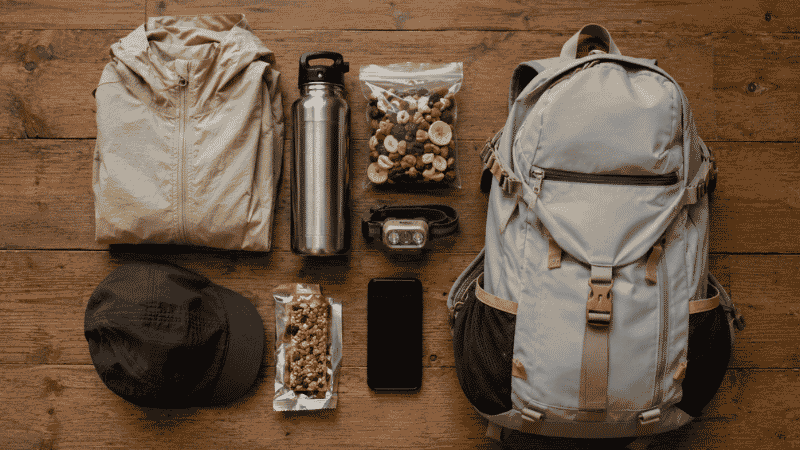
This is the part that matters more than most people realize. Your hike starts the night before, not at the trailhead.
1. Check the weather — for the trailhead, not your house Weather at elevation can be completely different from what’s happening in your neighborhood. Check the forecast specifically for your trail location. If there’s any chance of afternoon thunderstorms, plan to be off the trail before midday.
2. Download your trail map offline Cell service disappears. AllTrails and Gaia GPS both let you download maps for offline use. Do this before you leave home, not when you’re standing at the trailhead with one bar of signal.
3. Tell someone your plan Before any hike, text a friend or family member: where you’re going, which trail, and when you expect to be back. This takes 30 seconds and matters enormously if something goes wrong. Make it a habit from your very first hike.
4. Check trailhead logistics Is there parking? Is a fee required? Does the trailhead open at a specific time? Arriving to find a closed gate or a full parking lot is a genuinely deflating way to start a hiking morning.
5. Pack and prep the night before Don’t leave packing to the morning of. Fill your water bottles the night before, lay out your gear, and do a quick mental run-through of your bag. Tired morning brains forget things.
The Beginner Hiking Packing List: What You Actually Need
You don’t need to buy anything fancy for your first few hikes. Here’s what matters, broken into genuine necessities and nice-to-haves:
The non-negotiables:
- Water — At minimum, 500ml per hour of hiking. For a 3-hour hike, bring 1.5L and then a little more.
- Snacks — Trail mix, energy bars, fruit. Something with carbs and a bit of fat. Your energy drops faster on a trail than it does at a desk.
- Sunscreen + sunglasses + hat — Even on overcast days. UV exposure at higher elevation is significantly stronger than at sea level.
- Extra layer — A packable fleece or light jacket, even on warm days. Temperature drops fast on descents or when you stop moving.
- Your phone (charged, with trail downloaded offline) — Navigation, emergency communication, and a camera for the view.
- Basic first aid — Blister pads are the MVP here. Add bandages, pain reliever, and any personal medication.
- Headlamp — Even on day hikes. Things take longer than expected.
The honest “you probably already own these” list:
- A backpack (even a regular daypack works for short hikes)
- Athletic or trail shoes (your current running shoes are fine for beginner trails)
- Moisture-wicking athletic clothes (your gym gear works)
What to add as you get more serious:
- Hiking-specific shoes or trail runners ($80–150)
- A proper daypack with hip belt ($50–100)
- Trekking poles (optional, but great for knee support on descents)
- Water filter for longer hikes ($30–45 for a Sawyer Squeeze)
The CDC recommends staying well-hydrated during physical activity, particularly in heat, noting that dehydration can impair both physical and cognitive performance — which matters when you’re navigating an unfamiliar trail. Bring more water than you think you need.
What to Wear Hiking: The Beginner’s Clothing Guide

Clothing is one of those things that seems minor until it isn’t. The wrong fabric choices can make an otherwise lovely hike genuinely miserable.
The golden rule: no cotton
Cotton absorbs moisture and dries slowly. When you sweat — and you will sweat — wet cotton stays wet against your skin, which causes chafing on long hikes and makes it hard for your body to regulate temperature in cooler conditions. Swap it for moisture-wicking synthetics (polyester, nylon) or merino wool.
What a solid beginner hiking outfit looks like:
- Moisture-wicking t-shirt or long sleeve
- Quick-dry hiking pants or athletic shorts (avoid denim completely)
- Merino wool or synthetic hiking socks — this single upgrade prevents more blisters than almost any other gear change
- Trail runners or hiking shoes you’ve already broken in (new footwear on a first hike = almost guaranteed blisters)
- A packable layer in your bag
The layering principle: Dress for 10–15 degrees warmer than it is at the trailhead — you’ll warm up fast once you start moving, and you can always remove a layer and stuff it in your pack.
What to Expect on the Trail: Real Talk
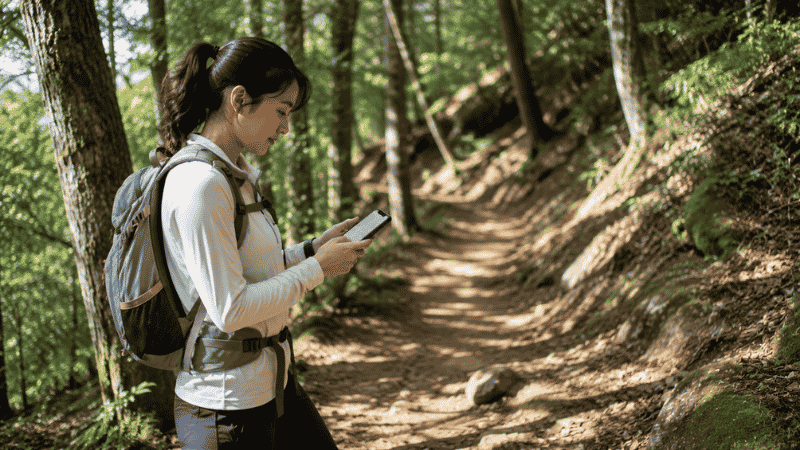
Here’s what nobody tells you before your first hike, and what makes all the difference between “that was hard but worth it” and “I’m never doing this again.”
Normal things that happen:
- You’ll breathe harder than you expected on uphill sections. This is normal. Slow down, take shorter steps, and keep moving. The breathlessness fades.
- Your legs will feel it, especially the next day. This is called DOMS (delayed onset muscle soreness) and it’s your muscles adapting. It passes within 48–72 hours.
- You might feel uncertain about the trail at some point. Check your offline map, look for trail markers, and trust your navigation. Most beginner-rated trails are well-marked.
- The distance will feel longer than it looks on the screen. This is also normal. Terrain, elevation, and rest stops all affect your actual experience of distance.
Things worth paying attention to:
- Lightheadedness or nausea on climbs — stop, drink water, eat something, rest in shade
- Blisters forming early in a hike — address them immediately with blister pads before they get worse
- Weather changing rapidly — if you hear thunder, descend and move away from exposed ridges immediately
When to turn around: You can always turn around. This is a rule, not a suggestion. If the trail feels too hard, the weather is turning, you’re running low on water, or your body is giving you clear signals — turn around. There’s nothing to prove on a first hike. The trail will be there next time.
Hiking Safety Basics Every Beginner Should Know
Safety on the trail isn’t about being fearful — it’s about being prepared, which is a completely different thing. Most day hikes on well-maintained trails are genuinely low-risk when you follow basic principles.
The rule of thirds: Plan to use one-third of your energy and water going out, one-third coming back, and keep one-third in reserve. This prevents the very common mistake of pushing to a turnaround point with nothing left for the return.
What to do if you get lost: Stop moving. Staying in one place makes you significantly easier to find. Check your offline map. Look for trail markers. If you genuinely cannot find your way back and have cell service, call for help. If you don’t have service and have a personal locator beacon (PLB), use it. This is why telling someone your plan before you go matters so much.
Wildlife encounters: On most beginner trails in well-trafficked areas, wildlife encounters are limited to birds, squirrels, and the occasional deer. If you’re hiking in bear country, check local guidelines on bear canisters and bear spray before you go.
When to seek immediate help: If anyone in your group experiences chest pain, severe shortness of breath that doesn’t improve with rest, confusion, signs of heat stroke (hot dry skin, rapid pulse, confusion), or a significant injury — stop hiking immediately and call emergency services.
Leave No Trace: The Unwritten Code of the Trail
Leave No Trace (LNT) is a set of principles that guides how hikers interact with natural spaces — and following them is one of the most important things you can do as a new hiker.
The core idea is simple: leave the trail exactly as you found it, or better.
In practice, this means:
- Pack out everything you pack in — including food scraps and fruit peels
- Stay on marked trails (cutting switchbacks damages vegetation and causes erosion)
- Keep noise levels low and respect other hikers’ experience of nature
- Don’t pick flowers, disturb wildlife, or take rocks or natural objects
- If there are no facilities, practice proper waste disposal (check LNT guidelines for your specific area)
This isn’t about being precious about nature — it’s about making sure the trails and spaces you’re starting to love stay intact for the people who come after you.
Hiking After Your First Trail: Building the Habit
If your first hike goes well — and the odds are good that it will — the natural next question is “what’s next?” Here’s how to think about building a hiking habit without overdoing it early:
Progression that works:
- Start with easy, short hikes and repeat them a few times before moving up in difficulty
- Add distance before adding elevation — your cardiovascular system adapts faster than your legs
- Leave at least one rest day between hikes in your first few weeks
- If your last hike felt comfortable and you finished with energy to spare, you’re ready to try something slightly harder
The mental shift that changes everything: Most beginners are focused on the destination — the summit, the waterfall, the view. Experienced hikers eventually realize that the process is the point. The rhythm of walking, the way your mind quiets on the trail, the feeling of your own competence building step by step. That shift usually happens somewhere between hike three and hike six. Don’t rush it.
FAQ: The Questions Every Beginner Actually Has
Q: Do I need special hiking boots for my first hike? Not necessarily. For easy, well-maintained trails, trail runners or athletic shoes with decent grip work fine. What matters more than the type of shoe is that you’ve worn them before — new footwear on any hike is a blister risk.
Q: How do I know if a trail is too hard for me? Look at two numbers: total distance and elevation gain. For your first hike, stay under 5 miles and 500 feet of elevation gain. Read recent reviews on AllTrails — hikers often mention whether the trail felt harder or easier than rated.
Q: Is it safe to hike alone as a beginner? On popular, well-trafficked trails with good cell service, solo hiking is generally safe with basic precautions: tell someone your plan, download your route offline, bring enough water, and stick to well-marked trails. As your experience grows, your comfort with solo hiking will too.
Q: What if I’m slow? Will I hold people up? Hiking has no speed requirement. Go at whatever pace feels sustainable. On your first hike, slower is actually smarter — you cover the terrain more carefully and use less energy. If you’re hiking with others, communicate your pace expectations before you start.
Q: How much water do I actually need? The general guideline is 500ml (about 16oz) per hour of moderate hiking. For a 3-hour hike, that’s 1.5L at minimum — bring 2L to be safe, especially in warm weather.
Q: Can I hike if I have knee problems? Many people with knee issues hike comfortably, especially on flat or gently sloping trails. Trekking poles significantly reduce the impact on knees during descents. Consult with your doctor or physiotherapist about specific limitations and trail recommendations.
Q: What’s the best time of day to hike? Morning is generally best for beginners — cooler temperatures, fewer people on the trail, and plenty of daylight buffer. In summer, starting before 8am helps you avoid peak heat on exposed trails.
Your First Hike Is Closer Than You Think
Here’s the honest truth about hiking for beginners: the hardest part isn’t the trail. It’s the decision to actually go. Once you’re moving, once you’re breathing trail air and your feet are finding their rhythm on real ground, the whole thing clicks into place in a way that’s hard to describe until you’ve experienced it.
Start small. Pick an easy trail. Tell someone where you’re going. Bring enough water. And go.
When you come back — a little tired, probably a little sweaty, maybe already thinking about what you want to do next — you’ll understand why over 57 million Americans make this part of their regular life.
The trail is waiting. You’re more ready than you think.
Ready to plan your first hike? Explore these guides next:
- The Complete Hiking Packing List for Beginners
- Best Hiking Boots for Beginners on a Budget
- Outdoor Safety for Beginners: What to Do If Something Goes Wrong
References
- American Hiking Society. Hiking Statistics and Trail Use Data. americanhiking.org
- Gladwell, V.F., et al. (2013). The Great Outdoors: How a Green Exercise Environment Can Benefit All. Extreme Physiology & Medicine, 2(1), 3. doi:10.1186/2046-7648-2-3
- Centers for Disease Control and Prevention (CDC). Water and Healthier Drinks — Hydration During Physical Activity. cdc.gov
- The Mountaineers. Ten Essentials Framework. mountaineers.org
- Leave No Trace Center for Outdoor Ethics. The 7 Principles of Leave No Trace. lnt.org