
Your first-time camping checklist — organized by category, honest about priorities, and built around the things real campers wish they’d known before their first trip.
Key Takeaways
- A complete beginner camping packing list breaks down into 6 categories: shelter & sleep, clothing, cooking & food, safety & first aid, hygiene, and campsite comfort
- Sleeping pad is as important as your sleeping bag — ground cold is the #1 cause of miserable first nights, and most beginners don’t pack for it
- The National Park Service recommends 1 gallon of water per person per day for camping — most beginners bring half that
- Test your tent at home before you go — figuring out setup in the dark at the campsite is a rite of passage nobody needs
- Car camping and tent camping have different packing priorities — knowing which type you’re doing changes your list significantly
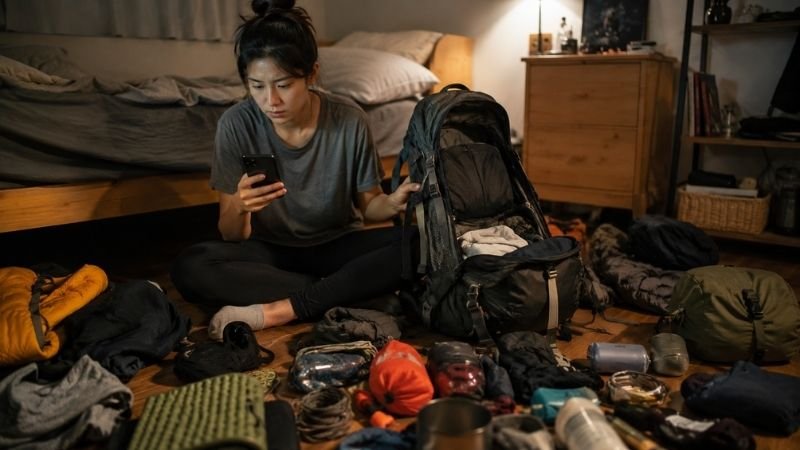
It’s the night before your first camping trip. Your bag is half-packed, there are three different lists open in your browser, and you’re genuinely not sure if you’ve forgotten something that will ruin the whole thing. The tent is in there. Probably. You think you have a sleeping bag. Do you need a pillow? What about food — how much is enough? Should you bring the whole kitchen or just the basics?
This particular flavor of pre-camping anxiety is almost universal for first-timers. And unlike most pre-trip nerves, it’s actually legitimate — because showing up at a campsite missing a key item is genuinely unpleasant. There’s no hardware store. There’s no Amazon delivery. It’s just you, the dark, and whatever you managed to pack.
This camping packing list exists to close that gap. It’s organized, it explains the “why” behind each category, it tells you what experienced campers consistently forget, and it’s honest about what you actually need versus what the outdoor industry wants you to think you need.
Let’s go through it.
First: Are You Car Camping or Tent Camping?
Before you start packing anything, answer this question — because it changes your list significantly.
Car camping means your vehicle parks at or near your campsite. You can bring essentially anything that fits in your car: a full cooler, camp chairs, a proper lantern, extra blankets, a folding table. Weight and size are almost irrelevant. This is the recommended starting point for first-time campers because it dramatically lowers the gear investment and the physical demands.
Tent camping (backpacking or hiking in) means you carry everything on your back to a campsite that may be miles from your car. Weight and packability become everything. You need ultralight versions of most things, and “nice to have” items get cut entirely.
This guide focuses primarily on car camping — the most practical starting point for beginners. If you’re backpacking in, every item on this list needs a weight assessment before it goes in your pack.
The Complete Camping Packing List: 6 Categories
Category 1: Shelter & Sleep
This is your highest-stakes category. A night of bad sleep in the cold outdoors is genuinely miserable — and it’s the thing that most often turns first-time campers into never-again campers.
Essential:
- Tent (with all poles, stakes, and rainfly) — check that all components are present before you leave home
- Sleeping bag (rated for temperatures below what you expect — nights are always colder than days)
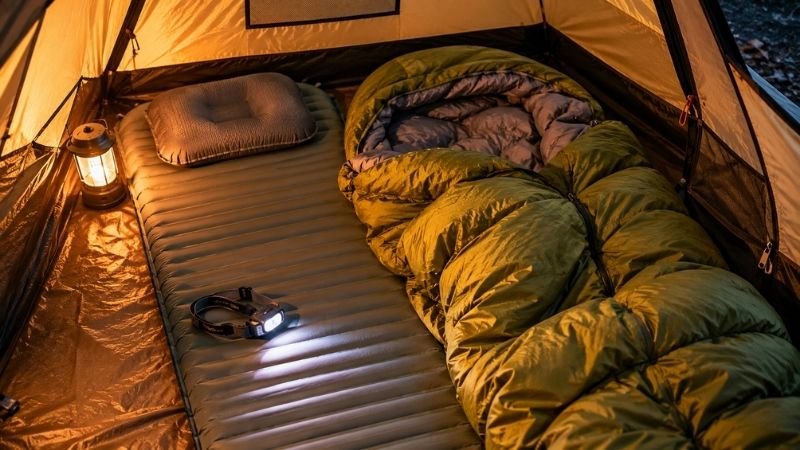
- Sleeping pad or air mattress — this is not optional; ground cold conducts heat away from your body regardless of sleeping bag quality
- Tent footprint or ground tarp — protects the tent floor from moisture and punctures
- Extra blanket — one more layer than you think you need is almost always the right call
Why the sleeping pad matters so much: This is the most consistently underestimated item in beginner camping gear. A sleeping bag insulates you from air. A sleeping pad insulates you from the ground — which is significantly colder and pulls body heat much faster. Many experienced campers argue the pad matters more than the bag for a comfortable night. Don’t skip it.
Pro tip from the camping community: Practice setting up your tent at home before you go. In the parking lot, in your living room, in your backyard — anywhere. Figuring out the poles and rainfly in the dark at an unfamiliar campsite, possibly in wind, is a genuinely stressful experience that is completely avoidable.
Category 2: Clothing
The core principle for camping clothing is the same as hiking: no cotton. Layers are your tool for managing temperatures that swing dramatically between afternoon sun and midnight cold.
Essential:
- Moisture-wicking base layer (synthetic or merino wool) — against your skin all day
- Insulating mid-layer (fleece or down jacket) — for evenings and cold mornings
- Waterproof outer layer (rain jacket) — weather changes without warning
- Quick-dry pants or shorts (no denim — wet denim is a misery multiplier)
- Extra socks (at least one pair per day, wool or synthetic)
- Sturdy closed-toe shoes for camp and trail
- Comfortable sandals or camp shoes for around the campsite
- Hat with brim (sun during the day) + warm beanie (cold at night)
- Gloves if temperatures might drop below 50°F
What beginners consistently underpack: Warm layers for evening. The campfire feels warm. The moment it dies down and you walk back to your tent, that lightweight hoodie you thought was enough stops being enough. Pack one more warm layer than you think you need.
Category 3: Cooking & Food
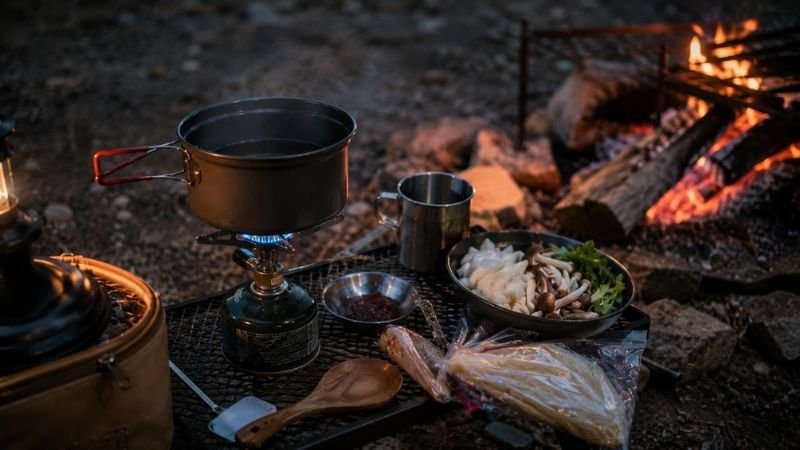
Camp cooking is one of the genuine joys of camping — and one of the most common sources of first-trip frustration when you forget something critical. Organization matters here.
Cooking Equipment:
- Portable camp stove + fuel canisters (check fuel is compatible before buying)
- Lighter or waterproof matches (bring two sources)
- Pot and/or pan (one of each for most meals)
- Camp cooking utensils: spatula, long spoon, tongs
- Plates, bowls, mugs (one set per person)
- Eating utensils: fork, spoon, knife per person
- Sharp camp knife or multi-tool
- Cutting board (lightweight plastic)
- Biodegradable dish soap + small sponge or brush
- Dish drying towel
- Trash bags (more than one)
- Aluminum foil (endlessly useful at camp)
- Can opener — this sounds obvious and is forgotten constantly
Food Storage:
- Cooler (hard-sided for car camping, soft-sided for short trips)
- Ice or ice packs (plan for ice replacement on longer trips)
- Bear canister or hang bag if required by your campsite (check beforehand)
- Ziplock bags in multiple sizes
- Airtight containers for dry goods
Water:
- Water bottles (1L minimum per person, more is better)
- Water filter or purification tablets as backup
- Collapsible water container for camp use
The National Park Service recommends 1 gallon (approximately 4L) of water per person per day when camping — for drinking, cooking, and basic hygiene. Most beginners bring half that and spend the second day uncomfortably thirsty. Bring more water than you think you need, especially on hot days.
Meal planning basics: Plan your meals before you go. Write out breakfast, lunch, and dinner for each day, then pack accordingly. This prevents both forgetting food and bringing so much you can’t eat it all. Easy beginner meals: oatmeal and coffee for breakfast, sandwiches and trail mix for lunch, foil packet meals or pasta over the stove for dinner.
Editor’s note: The can opener is mentioned in every “what I forgot” camping thread on Reddit. Check twice.
Category 4: Safety & First Aid
Essential:
- First aid kit (pre-made or DIY — see our Hiking First Aid Kit guide for full contents)
- Headlamp with fresh batteries (one per person — hands-free is essential at night)
- Extra batteries or portable power bank
- Whistle
- Emergency blanket
- Insect repellent
- Sunscreen
- Any personal medications (plus extras in case of extended stay)
- EpiPen if you have known severe allergies
- Phone fully charged + car charger
Navigation:
- Downloaded offline maps for your area (AllTrails or Gaia GPS)
- Physical map of the campground/park if available at the entrance station
- Basic compass
Tell someone your plan: Before any camping trip, text a trusted contact: which campground, which site if you know it, and when you expect to be back or to check in. This is the single most important safety step that costs nothing and matters enormously if something goes wrong.
Category 5: Hygiene & Personal Care
Camping doesn’t mean abandoning hygiene — it just means adapting it. The goal is staying clean enough to be comfortable without access to a shower.
Essential:
- Toothbrush and toothpaste
- Biodegradable soap (works for body, hair, and dishes — look for campground-safe options)
- Toilet paper (more than you think — campground dispensers run out)
- Hand sanitizer
- Small towel or microfiber towel (dries fast, packs small)
- Trowel or small shovel (for burying waste if no facilities)
- Feminine hygiene products if needed
- Deodorant
- Lip balm with SPF
The most underrated camping hygiene item: Baby wipes. They appear in nearly every “what I wish I’d known” list from experienced campers. No shower access? Baby wipes before bed makes an enormous difference in how you feel. Pack a full package.
Campground bathrooms: Most developed campgrounds have bathroom facilities, but they vary wildly in quality and can be a walk from your site. A small bag with toilet paper, hand sanitizer, and a headlamp makes middle-of-the-night bathroom visits significantly less painful.
Category 6: Campsite Comfort
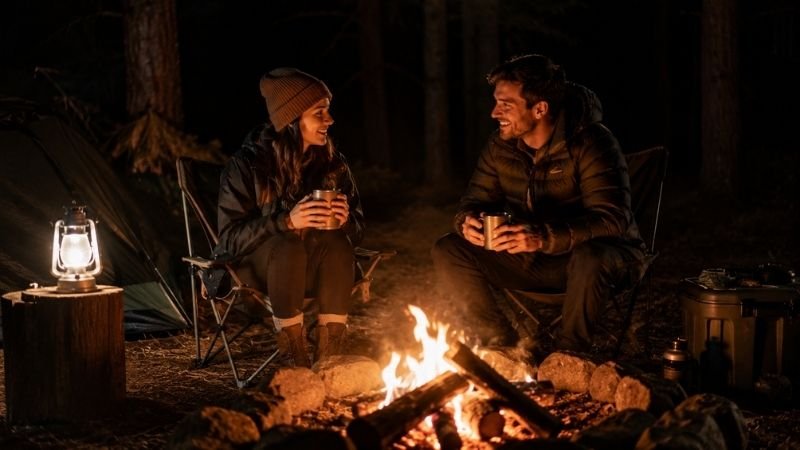
These items aren’t survival necessities, but they’re what separates a comfortable camping experience from a merely tolerable one.
High value add-ons:
- Camp chairs (one per person — sitting on the ground all evening gets old fast)
- Lantern (propane or LED) for ambient campsite light
- Folding camp table (for car camping — makes cooking and eating dramatically easier)
- Clothesline + clothespins (wet clothes need somewhere to dry)
- Tarp for shade or rain cover over the cooking area
- Firewood or fire-starting supplies (check if campground allows outside wood — many don’t due to pest regulations)
- Camp pillow or packable pillow
- Earplugs (campgrounds are louder than most first-timers expect — other campers, wildlife, early morning birds)
- Small broom or brush for sweeping out the tent
Comfort items worth the weight for car camping:
- Camp coffee setup (French press, pour-over, or instant — your call)
- Bluetooth speaker for ambient music (keep volume considerate)
- Card games or small entertainment for evenings
- Extra ground tarp for a sitting area
Must-Have vs Nice-to-Have vs Don’t Bother
For a first camping trip, here’s the honest priority framework:
Must-Have (don’t go without these): Tent + all components, sleeping bag, sleeping pad, headlamp, water (1 gallon/person/day), food for all meals, first aid kit, appropriate clothing layers, rain jacket, insect repellent, phone + charger, toilet paper, lighter
Nice-to-Have (improves the experience significantly): Camp chairs, lantern, camp stove + cookware, cooler, camp pillow, baby wipes, extra socks, clothesline, folding table
Skip for Your First Trip: Solar shower systems, elaborate camp kitchen setups, multiple specialized tools, large generators, hammock (unless you’ve hammocked before and know the setup), specialty camping gadgets you’ve never used
The 10 Things First-Time Campers Most Often Forget
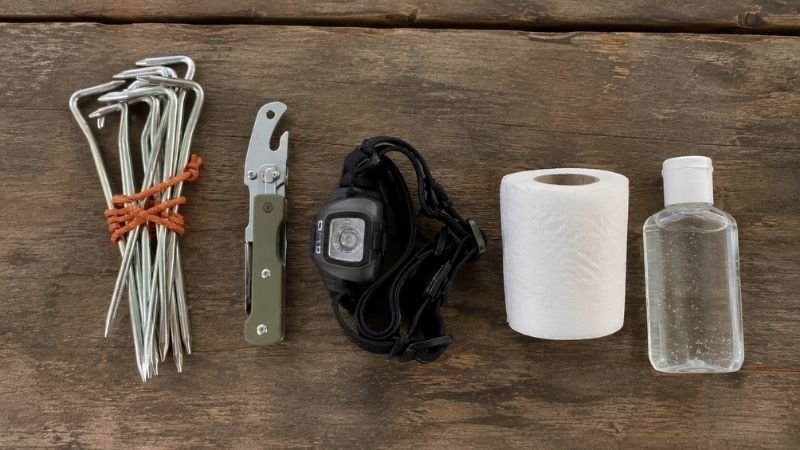
These come directly from the collective memory of the camping community — the things that appear in every “what I forgot” post, year after year.
1. Tent stakes. They’re loose in a bag, they’re small, and they stay home on first trips with alarming regularity. Count them before you leave.
2. Can opener. If you’re bringing any canned food. Check twice.
3. Sleeping pad. “I thought the sleeping bag would be enough” is a quote from almost every first-timer who had a cold, uncomfortable night.
4. Headlamp batteries. Or the headlamp itself. A flashlight you have to hold is much less useful at night than you’d think.
5. Toilet paper. Campground dispensers run out. Bring your own supply.
6. Extra layers for evening. Specifically: something warm enough for when the campfire dies and you walk back to your tent.
7. Trash bags. You need them for trash, and they’re useful for wet clothes, muddy gear, and dozens of other purposes.
8. Dish soap and a way to wash dishes. Easy to forget when you’re thinking about food but not cleanup.
9. Medications. Including the everyday ones you take for granted at home.
10. A way to dry wet clothes. Clothesline and clothespins, or at minimum knowing where they can be hung at your site.
Camping Food Packing Guide: What Actually Works
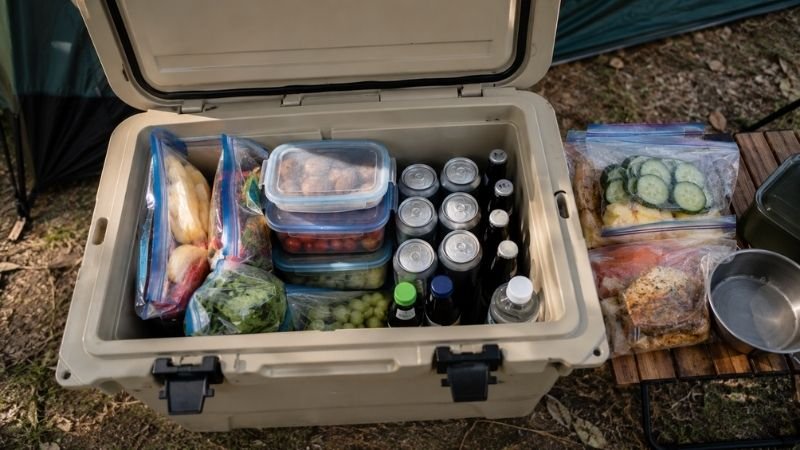
Food is one of the most overthought aspects of camping for beginners. Here’s a practical framework:
For car camping: Pack real food. You have a cooler, a stove, and enough space for a proper kitchen. The meals don’t have to be elaborate, but they should be planned.
Simple beginner camping meal plan:
- Breakfast: oatmeal with nuts and dried fruit, instant coffee or tea
- Lunch: sandwiches, crackers, cheese, fruit, trail mix
- Dinner Day 1 (easy): hot dogs or sausages over the fire, bagged salad, chips
- Dinner Day 2 (a step up): pasta cooked on camp stove with jarred sauce + canned protein
Food storage rules:
- Never leave food out overnight — it attracts wildlife even in areas without bears
- Store food in your car or a locked bear box when not in use
- Pack out all food scraps — nothing goes into the fire except wood
The cooler management secret: Keep drinks in one cooler, food in another. The drink cooler gets opened constantly, which melts ice faster. Keeping food separate keeps it colder longer.
If You Only Have 15 Minutes to Pack
No time for the full list? Here’s the minimum viable camping kit that handles a one-night car camping trip:
- Tent (make sure you have stakes and poles)
- Sleeping bag
- Sleeping pad (borrow one if you don’t own it)
- Headlamp
- Water (more than you think)
- Food for all meals (plan it out, don’t wing it)
- Layers including a rain jacket
- Toilet paper + hand sanitizer
- First aid basics (band-aids, ibuprofen, insect repellent)
- Phone fully charged
- Lighter
That’s it. Get in the car. The rest can wait for trip two.
Budget-Friendly Camping: Borrow, Rent, Substitute
Before buying anything, check what you can borrow or rent:
Borrow from friends first: Tents, sleeping bags, and sleeping pads are the big-ticket items most people only use occasionally. Someone you know probably has one sitting in a garage. Ask before you buy.
Rent from REI: REI and many outdoor shops rent camping gear by the night. Renting a tent, sleeping bag, and pad for your first trip is significantly cheaper than buying — and lets you figure out what you actually need before committing to specific gear.
Substitute with what you have:
- Any blanket or quilt works instead of a sleeping bag for mild-weather car camping
- A yoga mat works as a budget sleeping pad in a pinch
- A regular backpack works for car camping — you’re not carrying it far
- Kitchen items from home (plates, pots, utensils) work perfectly for car camping
What’s worth spending on from the start:
- Sleeping pad (the difference between sleep and no sleep is worth the $30-60 investment)
- Rain jacket (if you don’t own one, get one — it’s multi-use and weather is unpredictable)
- Headlamp (a $20-30 headlamp from Black Diamond or similar is a permanent piece of gear you’ll use forever)
When Your Camping Trip Isn’t Going Well
Most camping problems are fixable or tolerable. But there are situations worth knowing about:
If you’re too cold at night: Layer everything you have — all your clothes, every blanket. Put your rain jacket over your sleeping bag. Wear your beanie to sleep. Eat something calorie-dense before bed (your body burns calories keeping you warm). If someone is shivering uncontrollably and can’t warm up, this is a sign of early hypothermia — get them into a vehicle with heat.
If weather turns severe: Lightning: get inside your vehicle (not your tent) immediately — a car’s metal frame provides significant protection. Flooding: move to higher ground immediately if water is rising around your campsite. High wind: stay low, away from tall trees.
If food attracts wildlife: Make noise, appear large, back away slowly. Never run. Never get between a mother animal and her young.
When to leave early and seek help:
- Someone has a significant medical emergency (chest pain, difficulty breathing, severe injury)
- Weather conditions become dangerous and you’re not equipped to handle them
- Your campsite floods or becomes structurally unsafe
There’s no shame in packing up early. The campground will be there next time.
FAQ: Real Questions First-Time Campers Ask
Q: What is the most important thing to bring camping? Shelter (your tent, sleeping bag, and sleeping pad) and water. Everything else can be improvised or lived without for a night. These two categories are non-negotiable.
Q: How much food should I bring camping? Plan your meals and bring exactly what you need plus 20% extra. Most beginners either overpack food (bringing ingredients for elaborate meals they never make) or underpack (running out of food on day two). Write out every meal before you pack.
Q: Do I need a sleeping bag for camping? For any camping in temperatures below 65°F: yes. For warm-weather car camping above 65°F overnight: a blanket or quilt can work. The sleeping pad matters as much or more than the bag — don’t skip it.
Q: What should a beginner camp cook? Start simple. Hot dogs and marshmallows over the fire. Oatmeal and instant coffee for breakfast. Sandwiches for lunch. Add complexity on future trips once you know your camp stove and cooking setup. The goal for trip one is to eat enough and enjoy it — not to impress anyone.
Q: How do I keep food safe from animals at the campsite? Never leave food out overnight. Store it in your car, a locked bear box (provided at many campgrounds), or a hung food bag. Even in campgrounds without bears, raccoons and other wildlife will investigate any unattended food. This is not optional in bear country — check local regulations before you go.
You’re More Ready Than You Think
The camping packing list feels overwhelming before your first trip. After your first trip, it becomes second nature — you’ll know exactly what you use, what you didn’t need, and what you wish you’d remembered.
Pack the essentials. Test the tent. Bring more water than you think you need. And go.
Everything else you learn on the ground, and that’s kind of the point.
Keep building your camping knowledge:
- Camping for Beginners: The Complete First-Timer’s Guide
- How to Set Up a Tent for the First Time
- Best Budget Camping Gear for Beginners
- Outdoor Safety for Beginners
References
- National Park Service. Camping Essentials and Water Safety Guidelines. nps.gov
- American Red Cross. Emergency Kit Recommendations for Outdoor Activities. redcross.org
- Leave No Trace Center for Outdoor Ethics. The 7 Principles — Camping and Food Storage. lnt.org
- Recreation.gov. Ten Tips for First-Time Tent Campers. recreation.gov
- REI Co-op. Camping Checklist and Gear Guide. rei.com/learn/expert-advice