
There is nothing quite like the feeling of unzipping your camping tent to a view of the sun rising over a quiet lake or a misty forest floor. It’s the ultimate reset. For a few days, your entire world fits into a backpack or the trunk of your car, and your only real “job” is to breathe and be present. However, that sense of peace can vanish if you’re fighting with broken poles at midnight or waking up to a damp puddle in your sleeping bag.
Choosing between the thousands of tents for camping on the market can feel overwhelming. Is it too heavy? Is it waterproof enough? As a wellness advocate, I believe that your shelter is more than just a nylon shell; it is the foundation of your recovery in the wild. A well-chosen tent protects your sleep, reduces stress, and allows you to truly connect with the environment.
Phase 1: Beyond the Nylon – Why Your Choice of Shelter Matters
When we talk about the best camping tents, we often focus on technical specs like “denier” or “hydrostatic head.” But from a holistic perspective, your tent is the soul of your trip. It is the boundary between you and the elements—the place where you process the day’s adventures and recharge your nervous system.
A cramped, stuffy tent leads to poor oxygen flow and restless sleep. On the flip side, a tent that offers enough headroom and proper ventilation can transform your experience from “surviving the night” to “thriving in nature.” Investing in a high-quality camping tent ensures that when you step out the next morning, you’re doing so with a clear mind and a restored body.
Phase 2: Finding Your Match – Comparing Different Tents for Camping
| Tent Type | Best For | Pros | Cons |
| Dome Tent | Small groups/Couples | Wind resistant, easy to pitch. | Limited headroom. |
| Cabin Tent | Families/Glamping | Vertical walls, standing room. | Heavy, caught by high winds. |
| Backpacking | Hikers/Trekkers | Ultralight (under 4 lbs). | Cramped, more expensive. |
| Air Pole | Speed seekers | Set up in < 60 seconds. | Heavier than aluminum poles. |
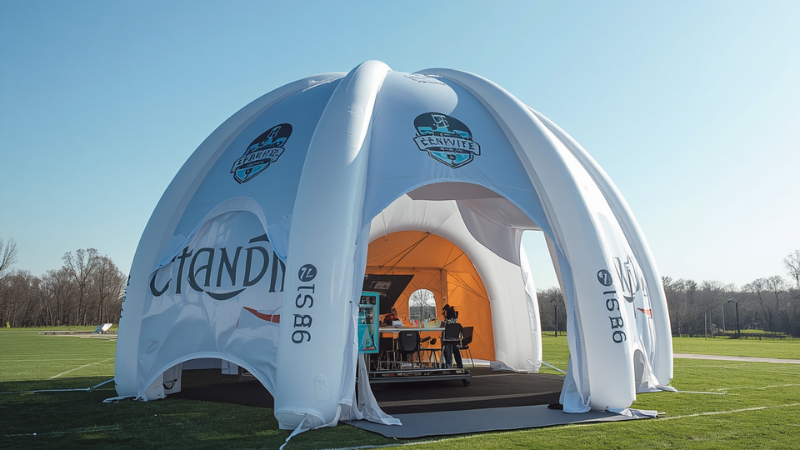
The 2026 Tech Trend: Air Pole Tents
By 2026, air-beam technology (like Heimplanet) has revolutionized setup times. These tents for camping use inflatable tubes instead of traditional poles. If a gust of wind hits, the “pole” simply bends and snaps back into place rather than snapping. It’s the ultimate peace of mind for beginner campers.
Phase 3: The Anatomy of Comfort – Key Features to Look For
When searching for the best camping tents, don’t get distracted by color. Look at the “hard” data:
- Hydrostatic Head (HH): This measures water resistance. A rating of 1500mm is standard, but for 2026 mountain treks, look for 3000mm+ to stay bone-dry in a deluge.
- The “Bathtub” Floor: Ensure the waterproof floor fabric wraps 3-5 inches up the sides. This prevents “ground-splash” from soaking your interior during heavy rain.
- Denier (D): This is the fabric’s thickness. A 75D fly is durable, but a 150D floor is essential if you camp with dogs or on rocky terrain.
Phase 4: Pro Tips for a “5-Star” Tent Experience
As a health blogger, I call this “Campsite Feng Shui.” How you pitch your camping tent is just as important as what you buy.
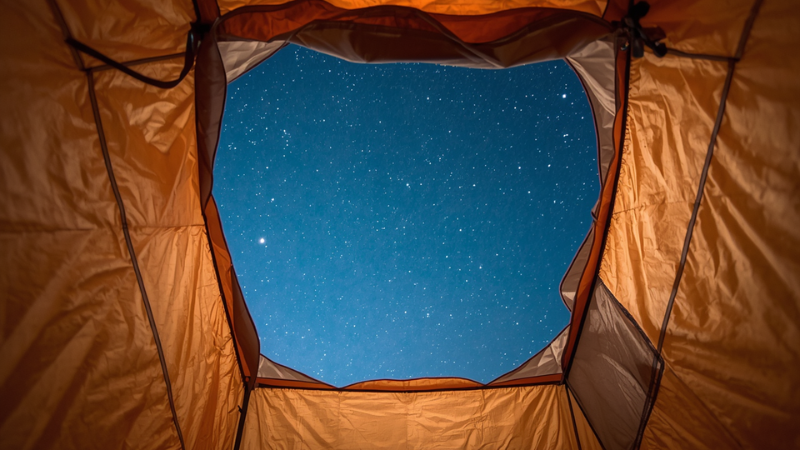
- Ventilation is Non-Negotiable: Even in 35°F (2°C) weather, keep your top vents open. Exhaled moisture can total 1 pint per person per night. Without airflow, you’ll wake up under a “rain” of condensation.
- Pitch for the Sun: Position your door toward the east. The morning light helps dry overnight dew and aligns your circadian rhythm with nature.
- The Footprint Hack: Never use a tarp larger than your tent’s floor. If it sticks out, it will catch rain and funnel it directly under your tent.
Phase 5: The Verdict – What is the Best Tent for Camping?
So, what is the best tent for camping? The answer depends on your journey:
- For Families: The North Face Wawona 6 is the 2026 gold standard for its massive “porch” vestibule.
- For Backpackers: The Big Agnes Copper Spur HV UL remains the champion of weight-to-comfort.
- For Beginners: The REI Co-op Half Dome SL 2+ offers the best durability-to-price ratio for any new adventurer.
FAQ: Quick Answers for Every Happy Camper
Q: How do I choose the right size? A: Use the “Plus-One” rule. If you are two people, buy a 3-person tent. You’ll appreciate the extra room for gear or a pet.
Q: Can I wash my tent in a machine? A: Never! Agitators will rip the mesh and destroy the waterproof coatings. Use a sponge, lukewarm water, and a tent-specific cleaner like Nikwax.
Conclusion: Invest in Your Dreams
Choosing your camping tent is an act of self-care. It’s the difference between a weekend of “roughing it” and a weekend of “recharging it.” Whether you choose a palatial cabin or a minimalist dome, remember that the goal is to listen to the forest, not the rain dripping on your face. Grab your gear, find your spot, and let the wilderness do the rest.