
Let’s be real: the overlanding world has a “glam” problem. If you spend too much time on Instagram, you’ll think you need a $60,000 modified Tacoma and a $3,000 roof-top tent just to drink coffee in the woods. Overlanding on a budget isn’t just possible—it’s actually the best way to start.
When I first took my stock SUV out to the Mojave, I didn’t have a winch or a fridge. I had a map, a sleeping bag, and a cheap set of budget-friendly overland gear. I learned more about my vehicle’s limits on that trip than I ever would have with a “fully built” rig. If you want to build a capable SUV overland setup without draining your savings, this $1,500 blueprint is your roadmap.
H2: Essential Recovery Gear for Beginners
If you are taking a daily driver off-pavement, your biggest fear is the “stuck.” Most beginners think they need a winch. Wrong. A winch requires a steel bumper and a second battery—there goes your $1,500.
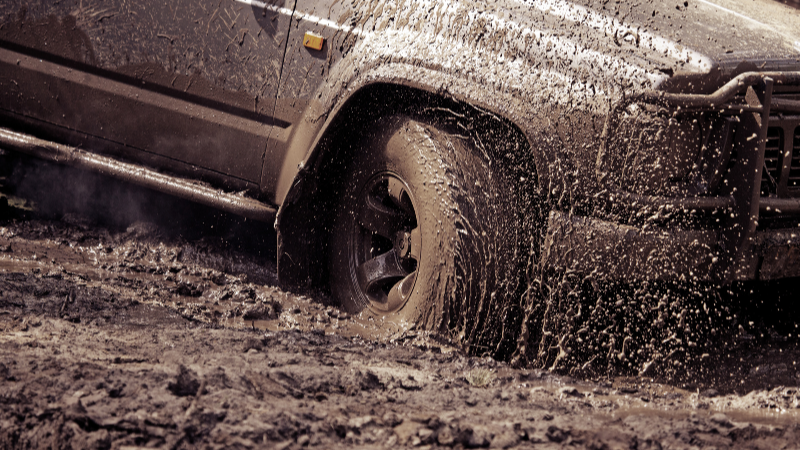
Instead, invest in self-rescue traction boards. We’ve tested the in deep silt and wet mud; they are the single most effective way to get a 2WD or light 4WD SUV back on solid ground. Pair these with a $30 D-handle shovel, and you’ve got a recovery kit that weighs less than 20 lbs but saves you a $500 towing fee.
The DIY SUV Camping Setup: Sleeping Inside
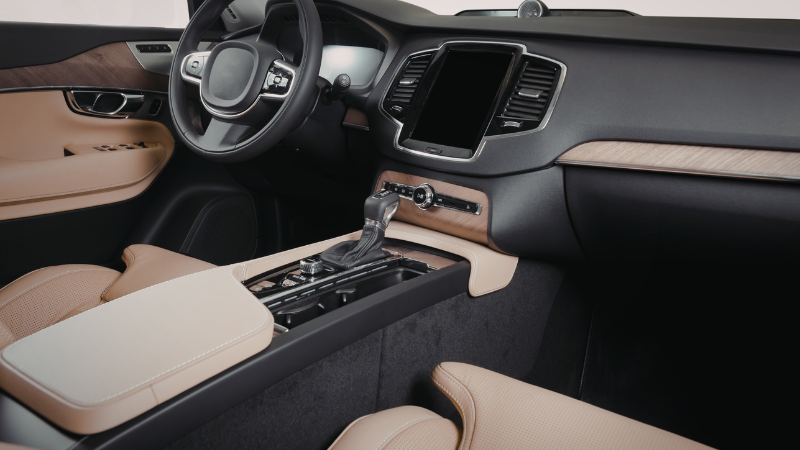
One of the fastest ways to blow your budget is buying a Roof-Top Tent (RTT). While they look cool, they add drag and cost a fortune. For a budget-friendly overland build, sleep inside your vehicle.
- The Mattress: Skip the “overland branded” foam. A high-density SUV-specific air mattress allows you to bypass uneven trunk floors.
- The Airflow: This is the pro tip: buy magnetic mosquito netting for your windows. It keeps the car cool and the bugs out for less than $20.
- Storage: Use clear plastic bins from a hardware store. They are waterproof, stackable, and act as a table in a pinch.
Reliable Power Solutions for SUVs
In 2026, we don’t do “dual battery” installs for beginner rigs. It’s too complex. A 300Wh to 500Wh portable solar generator is all you need to keep your phone charged, run a few LED camp lights, and maybe even power a small 12V fan. This keeps your vehicle’s starter battery safe, ensuring you aren’t stranded with a dead engine in the morning.
The “Hidden” Cost: All-Terrain Tires
If you have $1,500, half of it should probably go to your tires. Your tires are the only thing touching the dirt. A set of entry-level All-Terrain (A/T) tires provides tougher sidewalls to prevent punctures from sharp rocks. This is the ultimate “insurance policy” for overlanding on a budget.
FAQ: Budget Overlanding Mistakes to Avoid
Q: Can I overland in a 2WD SUV? A: Absolutely. Stick to “Level 1-2” trails, carry traction boards, and never go alone. Most fire roads in the US are perfectly fine for a 2WD with decent clearance.
Q: Do I need a lift kit? A: For your first year? No. Most stock SUVs have enough clearance for 90% of established overland routes. Spend that money on gas and gear instead.
Q: How do I manage payload capacity? A: This is crucial. Check your driver-side door sticker for the “Payload Capacity.” Subtract your weight and your passengers. Whatever is left is for your gear. Overloading a budget SUV ruins the suspension and kills your fuel economy.
Final Thoughts: Just Get Out There
The gear is just a tool to get you to the view. Don’t let the lack of a “pro” rig stop you from exploring. Start with the basics—sleep, recovery, and safety—and build your kit as you learn what you actually need.