
We’ve all been there. You’re six miles into a twelve-mile loop, the ridgeline views are world-class, but all you can think about is the searing “hot spot” grinding into your left heel. Or maybe you’re bracing for every step because your toes are slamming into the front of your boots on a 2,000-foot descent.
In the backcountry, your hiking boots are either your ticket to a great weekend or a direct flight to blister hell.
For women, this isn’t just about finding a smaller version of a guy’s boot. Our feet have different volume needs—usually a narrower heel and a higher arch—and our biomechanics (that “Q-angle” where our hips meet our knees) change how we load our weight. In 2026, we finally have boots that provide real-world stability without feeling like you’re hauling two-pound bricks on each foot.
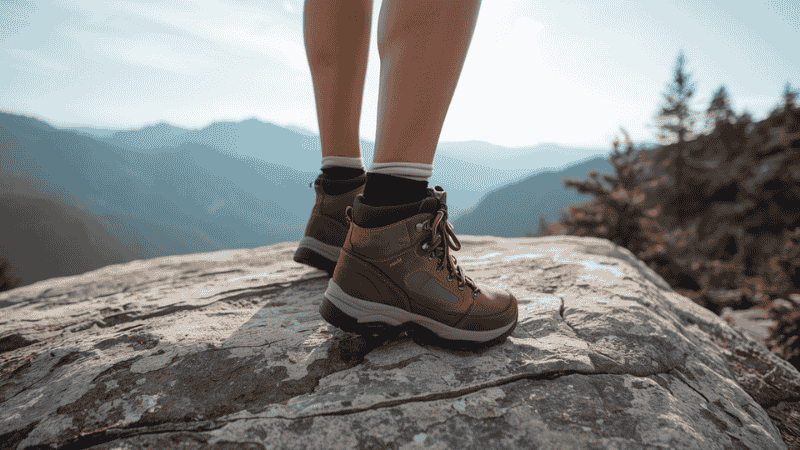
Quick Comparison: 2026 Top Picks for Women
| Model | Weight (Pair) | Durability | Energy Efficiency* | Price |
| Salomon Quest 4D | 2.4 lbs | High | Moderate | $$$ |
| Lowa Renegade | 2.2 lbs | High | High | $$$ |
| Merrell Moab 3 | 2.0 lbs | Medium | High | $ |
| Vasque St. Elias | 2.8 lbs | Extreme | Low | $$$ |
*Energy Efficiency: How much “leg fatigue” the boot causes over long distances based on weight and rocker profile.
The Best Hiking Boots for Women: 2026 Real-World Picks
Best Overall: Salomon Quest 4D GORE-TEX
This is the boot I grab when I don’t know what the trail is going to throw at me. It’s got high-ankle support for heavy loads, but the “Active Support” wings mean it doesn’t feel clunky.
- The Reality: It’s rugged enough for the jagged granite of the High Sierras but won’t tire you out on a local dirt path.
- Why it fits: It balances a stiff “backpacking” chassis with a flexible forefoot. Perfect for the hiker who wants one “bulletproof” pair that lasts 500+ miles.
Best for Backpacking: Lowa Renegade GTX Mid
These have been around forever for a reason. They have a “Monowrap” frame that keeps the weight down while providing incredible lateral stability.
- The Reality: If you have a narrower foot, the lacing system on these is world-class for locking your heel down. No heel slip means no blisters on those 15-mile days.
- Why it fits: It’s a leather boot that doesn’t feel like a leather boot. Instant comfort for multi-day treks.
Best for Cold Weather: Vasque St. Elias FG GTX
When the temperature drops and the slush starts, you need the thermal mass of full-grain leather. The St. Elias is a tank.
- The Reality: It takes longer to break in (expect 20 miles of neighborhood walks first), but once molded, it’s a fortress against cold and wet.
- Why it fits: The thick leather holds heat better than synthetics, and the deep lugs are designed for snow and mud.
Best for Beginners: Merrell Moab 3 Mid Waterproof
The “Mother of All Boots” for a reason. They have a massive toe box—perfect if your feet tend to swell after a few miles—and a “cushy” feel that’s rare in sturdier boots.
- The Reality: Great for established park trails. If you aren’t carrying a 40lb pack, you don’t need more boot than this.
What Most Camping Guides Get Wrong
If you read most generic roundups, they miss the nuance of actual trail life. Here is the reality:
- The “Waterproof” Trap: Guides recommend Gore-Tex for everything. But if you’re hiking in the desert or 90-degree humidity, waterproof boots act like plastic bags. Your feet will soak in their own sweat, the skin will soften, and you’ll get “maceration” blisters.
- The Weight Myth: “Lighter is always better” isn’t true if you have weak ankles or a heavy pack. A slightly heavier boot with a stiff shank saves your arch muscles from overworking on rocky terrain.
- Sizing by the Number: Your boot size should be 0.5 to 1 full size larger than your street shoes. Most guides don’t emphasize that your feet will expand by the end of a long day.
[Internal Link: How to choose the right hiking socks]
Anatomy of a Woman’s Hiking Boot: Beyond “Shrink it and Pink it”
I remember the days when “women’s gear” just meant a narrower toe box and a floral pattern. Thankfully, that’s dead.
- Heel Lock: Women’s heels are statistically narrower. A boot that “cups” the back of your foot prevents that micro-sliding that turns a fun hike into a bloody mess.
- Support vs. Stiffness: Because of our center of gravity, we need midsoles that offer alignment support without being so stiff they feel like ski boots.
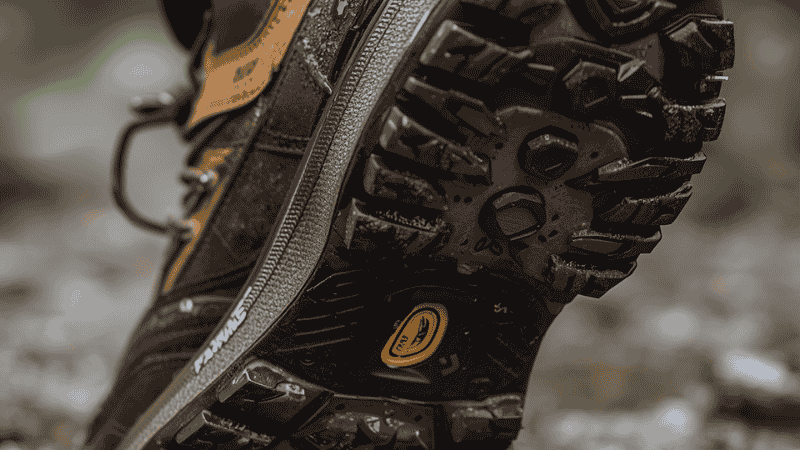
Lessons from the Dirt: When Gear Actually Fails
Scenario 1: The Grand Canyon “Toe Crush”
I once hiked the Bright Angel Trail in boots that felt “roomy” in the store. By the time I’d descended 4,000 feet, my toes were decimated from slamming into the front of the boot. I lost both big toenails that month.
- The Lesson: Stand on a decline when you try them on. If your toes touch the front, size up. You need a full “thumb’s width” of dead space.
Scenario 2: The Camp Relief
There is nothing more miserable than keeping your heavy boots on while cooking dinner. Once your boots have done their job, swap them out.
- The Fix: Always pack a second pair for camp chores.
- [Internal Link: Best Camper Shoes for Women: Post-Hike Relief]
FAQ: Your Hiking Boot Questions Answered
How long should my hiking boots actually last? I usually get 400–500 miles out of a pair of synthetics. Full-grain leather can last 1,000+ if you treat the leather and occasionally resole them.
Should I go “Mid” or “Low” cut? If you have a history of rolled ankles or are carrying a pack over 20 lbs, go Mid. If you’re a trail runner at heart and stay on flat, groomed paths, Low is fine.
Is Gore-Tex worth the extra $30? If you live in the PNW or hike in the spring? Yes. If you live in Arizona? No—you’ll just overheat and get “swamp foot.”
What do I do if I feel a “hot spot” mid-hike? Stop immediately. Don’t “wait until camp.” Apply KT tape or moleskin. Once a blister forms, you’ve already lost.
Final Checklist: Don’t Leave the Store Until You…
- [ ] The Insole Test: Pull the insole out and stand on it. If your toes reach the edge, go up a size.
- [ ] The Heel Lift: Walk up stairs. If your heel lifts more than 1/4 inch, you’ll get blisters.
- [ ] The Real Sock Rule: Wear your thick wool-blend socks to the fitting.
- [ ] The Flex: Make sure the boot hinges where your foot actually bends.
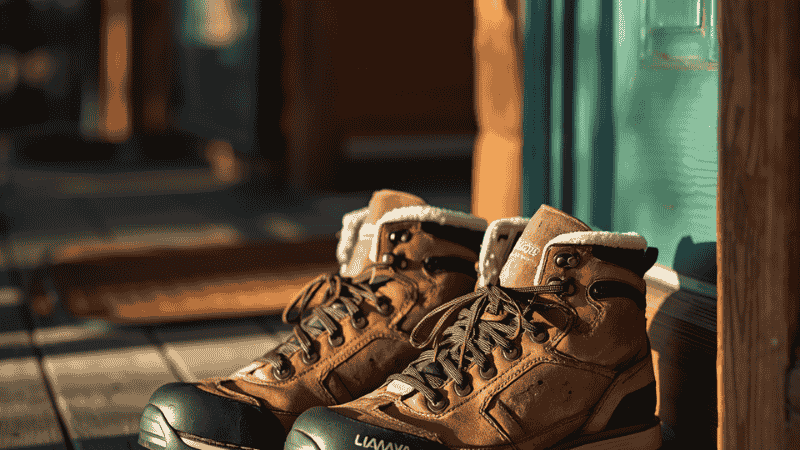
Bottom Line: Your hiking boots are an investment in your safety and your sanity. Don’t buy for the color; buy for the “Mile 6” comfort. Your future self on the trail will thank you.